
SEO Principles: Essential Fundamentals for Search Engine Success
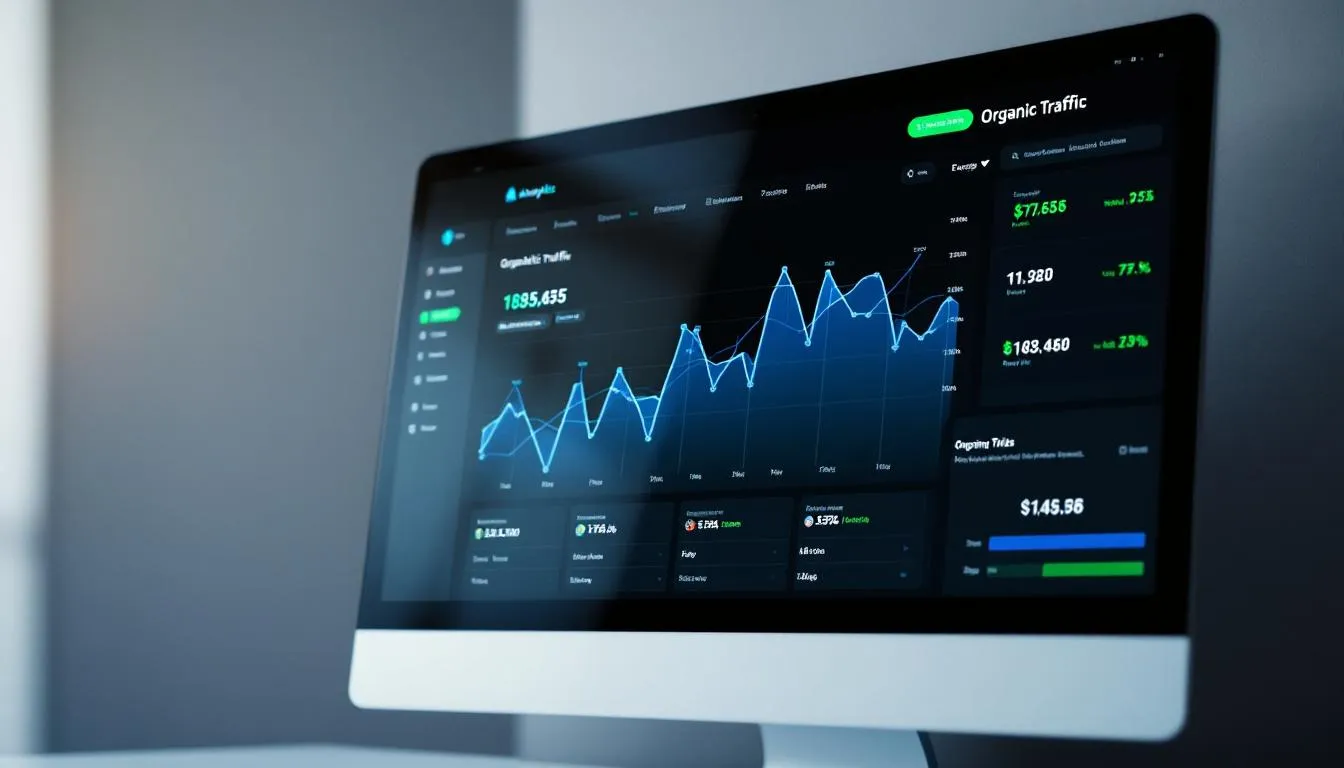
When 54% of all website traffic comes from organic search, understanding core seo principles isn’t just beneficial—it’s essential for business survival in the digital landscape. Yet surprisingly, only 44% of businesses actively leverage search engine optimization to its full potential, leaving substantial opportunities on the table for those who master these fundamental concepts.
Search engine optimization represents one of the most cost-effective marketing strategies available today, delivering long-term returns that compound over time. Unlike paid advertising that stops generating results the moment you pause spending, properly implemented seo principles create sustainable organic traffic that continues flowing months and years after the initial investment.
In this comprehensive guide, you’ll discover the essential seo fundamentals that drive search engine success. From technical optimization and keyword research to content creation and link building, we’ll cover the proven strategies that help websites achieve higher search engine rankings and attract more qualified visitors.
Key Takeaways
Before diving into the detailed principles, here are the most critical insights that will guide your seo strategy:
-
SEO drives 54% of all website traffic, making it crucial for online visibility and business growth. This statistic alone demonstrates why mastering these principles should be a priority for any serious online business.
-
Effective keyword research targeting long-tail keywords improves rankings and attracts qualified traffic. With 92% of all search queries being long-tail phrases, focusing on specific, intent-driven keywords often yields better results than competing for broad terms.
-
Technical optimization including site speed, mobile-friendliness, and HTTPS security directly impacts search rankings. search engines prioritize websites that provide excellent user experiences across all devices.
-
High-quality, user-focused content with proper on-page optimization increases dwell time and signals content relevance to search engines. Creating valuable content that genuinely helps users remains the foundation of successful seo practices.
-
Building authoritative backlinks from reputable sources significantly boosts domain authority and search rankings. Quality link building continues to be one of the strongest ranking factors in search engine algorithms.
-
User experience optimization reduces bounce rates and signals content relevance to search engines. When users engage positively with your content, search engines interpret this as a quality signal.
-
Regular monitoring and analytics tracking enables data-driven seo strategy improvements and ROI measurement. Without proper tracking, it’s impossible to understand what’s working and what needs adjustment.
Understanding SEO Fundamentals
Search engine optimization is the systematic process of optimizing websites to attract organic search traffic from search engines like Google, Bing, and Yahoo. Unlike paid search marketing where you pay for each click, seo focuses on earning traffic through improved search engine rankings in organic search results.
The fundamental difference between SEO and paid advertising lies in sustainability and cost structure. While paid campaigns require continuous investment to maintain visibility, effective seo optimization techniques create lasting improvements that generate relevant traffic for months or years. This makes search engine optimization one of the most valuable long-term marketing investments for businesses of all sizes.
How Search Engines Work
Understanding how search engines discover and rank web pages is crucial for implementing effective seo practices. The process involves three main stages:
Search Engine Crawling: Web crawlers systematically browse the internet, discovering new and updated content. These automated programs follow internal links and external links to find web pages across the internet.
Indexing: Once discovered, search engines analyze and store page content in massive databases. This process helps search engines understand what each page covers and how it relates to search queries.
Ranking: When users search, algorithms evaluate indexed pages and determine which ones best match the search intent. Multiple ranking factors influence where pages appear in search engine results pages.
The Three Pillars of SEO
Effective seo strategy rests on three fundamental pillars, each addressing different aspects of website optimization:
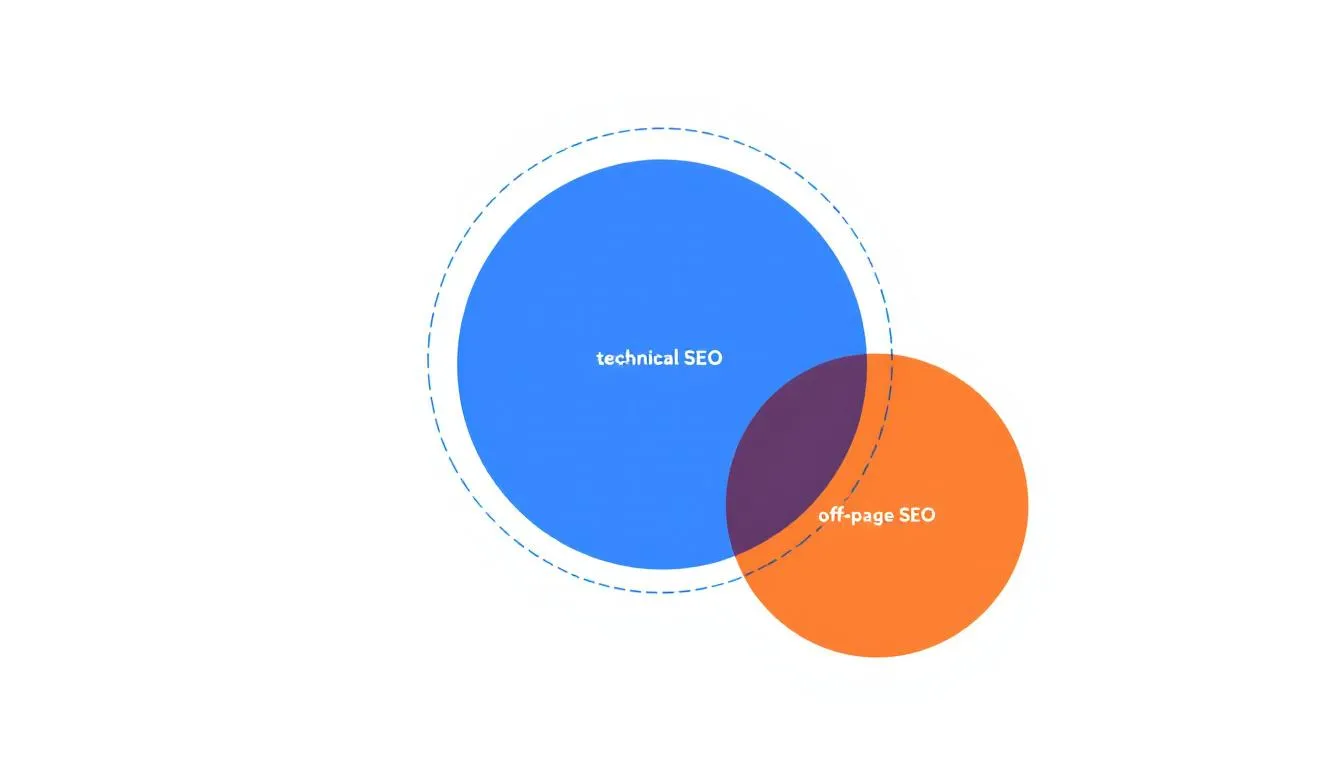
Technical SEO focuses on a website’s underlying infrastructure. This includes optimizing site speed, ensuring mobile optimization for mobile devices, implementing HTTPS security, and creating proper XML sitemaps. Technical elements help search engines crawl and index content efficiently while providing excellent user experiences.
On Page Optimization involves optimizing individual web pages for both users and search engines. This includes strategic placement of relevant keywords in title tags and meta descriptions, creating high quality content that matches search intent, and structuring pages with proper heading hierarchies.
Off-Page SEO encompasses activities outside your website that influence search rankings. The primary focus is building authoritative backlinks from other websites, establishing your site as a trusted source in your industry, and building local citations for location-based businesses.
Keyword Research and Strategy
Keyword research forms the foundation of any successful seo strategy. This process involves identifying the search queries your target audience uses when looking for products, services, or information related to your business.
The Keyword Research Process
Effective keyword research follows a systematic approach:
1. Define Core Topics: Start by listing broad themes relevant to your business. These topics should align with your products, services, and the problems you solve for customers.
2. Use Research Tools: Leverage both free and premium seo tools to discover keyword opportunities. Google keyword planner provides search volume data and competition insights, while tools like Answer the Public reveal common questions and long-tail variations.
3. Analyze Search Intent: Understanding why users search helps you create content that matches their needs. Search intent typically falls into four categories: informational, navigational, commercial investigation, and transactional.
4. Map Keywords to the Customer Journey: Different keywords serve different stages of the buying process. Awareness-stage keywords like “what is SEO” attract early-stage prospects, while commercial keywords like “best seo tools for small business 2024” target users closer to making purchase decisions.
5. Conduct Competitor Analysis: Examining which keywords your competitors rank for reveals opportunities and gaps in your current strategy. This competitor keyword gap analysis often uncovers valuable target keywords you might have overlooked.
Long-Tail Keyword Benefits
Long-tail keywords represent one of the most valuable opportunities in modern SEO. These longer, more specific phrases make up approximately 92% of all search queries and offer several advantages:
Lower Competition: Specific phrases like “best SEO tools for small business 2024” face less competition than broad terms like “SEO tools,” making them easier to rank for with focused optimization efforts.
Higher Conversion Intent: Users searching for specific phrases often have clearer intent and are closer to taking action. Someone searching “hire local SEO consultant Chicago” shows much stronger commercial intent than someone searching “SEO.”
Voice Search Compatibility: As voice search grows, long-tail keywords become increasingly important since people tend to speak in complete phrases rather than fragmented keywords.
Keyword Research Tools and Techniques
The right tools can significantly accelerate your keyword research process:
Free Tools:
-
Google keyword planner: Provides search volume estimates and competition data directly from Google
-
google search console: Shows which search queries already drive traffic to your website
-
Answer the Public: Reveals common questions and phrase variations around your topics
Premium Tools:
-
Ahrefs: Offers comprehensive keyword databases, difficulty scores, and competitor analysis features
-
SEMrush: Provides keyword gap analysis, SERP feature tracking, and detailed search intent data
-
Moz Keyword Explorer: Delivers prioritized keyword suggestions with opportunity and difficulty scores
When evaluating keywords, balance search volume with competition levels. High-volume keywords with manageable competition offer the best opportunities for driving relevant traffic to your website.

Technical SEO Optimization
Technical seo forms the foundation that enables search engines to effectively crawl, index, and rank your website. Without proper technical optimization, even the best content may struggle to achieve visibility in search results.
Site Speed and Core Web Vitals
Website speed directly impacts both user experience and search engine rankings. Google’s Core Web Vitals represent specific metrics that measure real-world user experience:
Largest Contentful Paint (LCP): Measures loading performance and should occur within 2.5 seconds of when the page first starts loading. This metric indicates how quickly users see meaningful content.
First Input Delay (FID): Measures interactivity and should be less than 100 milliseconds. This metric reflects how quickly users can interact with your page elements.
Cumulative Layout Shift (CLS): Measures visual stability and should be less than 0.1. This prevents annoying layout shifts that occur while pages load.
Optimizing these metrics involves image compression, minimizing JavaScript, leveraging browser caching, and using content delivery networks (CDNs) to reduce server response times.
Mobile-First Indexing
With 53% of global web traffic coming from mobile devices, Google primarily uses the mobile version of content for indexing and ranking. This mobile-first approach means your website’s mobile experience directly affects search rankings across all devices.
Mobile optimization requires:
-
Responsive design that adapts to different screen sizes
-
Fast loading times on mobile connections
-
Easy navigation with touch-friendly buttons
-
Readable text without zooming
-
Properly sized images and videos
HTTPS Security Implementation
HTTPS encryption has become a mandatory ranking factor. Google actively flags unsecured websites and may lower their rankings, particularly for sites handling sensitive information. implementing SSL certificates demonstrates trustworthiness and protects user data.
The security implementation process involves:
-
Obtaining SSL certificates from reputable providers
-
Configuring server settings to redirect HTTP to HTTPS
-
Updating internal links to use HTTPS URLs
-
Monitoring for mixed content warnings
XML Sitemaps and Robots.txt
XML sitemaps help search engines discover and index your important pages efficiently. These files list your website’s URLs along with metadata about when pages were last updated and how frequently they change.
The robots.txt file guides web crawlers on which parts of your site to crawl or ignore. Proper configuration prevents crawlers from wasting time on unimportant pages while ensuring they find your valuable content.
Structured Data Implementation
Structured data markup using Schema.org vocabulary helps search engines understand your content better. This markup can trigger rich snippets in search results, including:
-
Review stars and ratings
-
Product pricing and availability
-
Event dates and locations
-
FAQ sections
-
Recipe information
Rich snippets often improve click-through rates by making your search results more visually appealing and informative.
On-Page SEO Elements
On-page optimization involves optimizing individual web pages to rank higher and earn more relevant traffic from search engines. These elements are within your direct control and significantly impact how search engines understand and rank your content.
Title Tags Optimization
Title tags serve as the clickable headline in search engine results pages and remain one of the most important on-page ranking factors. Effective title tags should:
-
Include your target keyword naturally within the first 60 characters
-
Accurately describe the page content
-
Be compelling enough to encourage clicks
-
Remain unique across all pages on your website
For example, “SEO Principles: Complete Guide to Search Engine Optimization” is more effective than generic titles like “Home Page” or “About Us.”
Meta Descriptions That Convert
Meta descriptions don’t directly influence rankings but significantly impact click-through rates. Well-crafted meta descriptions can improve CTR by up to 5.8%, driving more organic traffic to your pages.
Effective meta descriptions should:
-
Stay within 150-160 characters to avoid truncation
-
Include target keywords naturally
-
Provide a compelling summary that encourages clicks
-
Include a subtle call-to-action when appropriate
Header Tag Hierarchy
Proper header tag structure (H1, H2, H3) helps both users and search engines understand your content organization. The H1 tag should contain your primary keyword and clearly indicate the page’s main topic. Subsequent headers should create a logical content hierarchy that guides readers through your information.
URL Structure Optimization
Clean, descriptive URLs improve both user experience and search engine crawling. Effective URLs should:
-
Include relevant keywords
-
Use hyphens to separate words
-
Remain short and descriptive
-
Avoid unnecessary parameters or numbers
For instance, “/seo-principles-guide/“ is much more effective than “/page?id=12345&category=seo.”
Image Optimization
Images require optimization to contribute positively to your seo efforts:
Alt Text: Descriptive alt attributes help search engines understand image content while improving accessibility for users with visual impairments.
File Compression: Large image files slow page loading times. optimize images by compressing file sizes without sacrificing visual quality.
Descriptive File Names: Use relevant keywords in image file names rather than generic names like “IMG_001.jpg.”
Internal Linking Strategy
Strategic internal links help distribute page authority throughout your website while improving user navigation. Effective internal linking involves:
-
Using descriptive anchor text that indicates the linked page’s content
-
Linking to relevant, related content
-
Creating topic clusters around main subjects
-
Ensuring important pages receive more internal links
Internal links help search engines discover new content while keeping users engaged longer on your website.
Content Creation and Optimization
Creating high quality content remains the cornerstone of effective search engine optimization. search engines increasingly prioritize content that provides genuine value to users while demonstrating expertise and authority in specific topics.
Content Quality Standards
High-performing content typically shares several characteristics:
Comprehensive Coverage: Competitive topics often require 1,500+ words to thoroughly address user questions and rank competitively. However, content length should serve user needs rather than arbitrary word counts.
Regular Publishing Schedule: Websites publishing 16+ blog posts monthly tend to gain organic traffic faster than those with irregular posting schedules. Consistency signals to search engines that your site actively provides fresh, relevant information.
E-A-T Framework Implementation: Google’s E-A-T criteria—Experience, Expertise, Authoritativeness, Trustworthiness—should guide your content creation approach. This involves citing reputable sources, showcasing credentials, demonstrating real-world experience, and keeping information current and accurate.
Content Gap Analysis
identifying content opportunities involves analyzing what your competitors cover versus what your target audience actually needs. This process reveals:
-
Topics your competitors rank for that you don’t address
-
Questions your audience asks that lack comprehensive answers
-
emerging trends in your industry that need coverage
-
Opportunities to create more comprehensive resources than existing content
Content Freshness and Updates
Search engines favor content that remains current and relevant. Regular content updates can revive declining rankings and improve user engagement. This doesn’t mean constantly rewriting content, but rather:
-
Adding new data and statistics
-
updating examples and case studies
-
Expanding sections based on user feedback
-
Refreshing images and multimedia elements
-
Correcting outdated information
Content audits help identify which pages need updates versus which should be consolidated or removed entirely.
Creating Content That Matches Search Intent
Understanding search intent ensures your content aligns with what users actually want when they enter specific search queries. The four main types of search intent are:
Informational Intent: Users seek information or answers to questions. Content should be educational and comprehensive.
Navigational Intent: Users want to find a specific website or page. These searches typically include brand names or specific destinations.
Commercial Investigation: Users research products or services before purchasing. Content should compare options and highlight benefits.
Transactional Intent: Users are ready to make a purchase or take action. Content should facilitate conversions with clear calls-to-action.

Off-Page SEO and Link Building
Off-page seo focuses on activities outside your website that influence search rankings. While you can’t directly control these factors, you can implement strategies to improve your website’s authority and trustworthiness in the eyes of search engines.
Link Building Fundamentals
Link building remains one of the most powerful ranking factors, but quality significantly outweighs quantity. A single link from a highly authoritative, relevant website often provides more value than dozens of links from low-quality sources.
Quality Indicators:
-
Domain authority and trustworthiness of linking sites
-
Relevance between linking content and your website
-
Editorial nature of links (earned rather than placed)
-
Diversity of linking domains and anchor text
Effective Link Building Strategies:
Guest Posting: Contributing valuable content to reputable websites in your industry can earn high-quality backlinks while demonstrating expertise to new audiences.
Resource Page Outreach: Many websites maintain resource pages linking to helpful tools and content. If your content genuinely helps their audience, requesting inclusion can be effective.
Broken Link Building: Finding broken links on relevant websites and suggesting your content as a replacement provides value to webmasters while earning links.
Digital PR and Original Research: Creating newsworthy content like original research, industry surveys, or unique insights naturally attracts links from journalists and industry publications.
Avoiding Black Hat Practices
Certain link building practices can result in penalties that severely damage your search rankings:
Purchased Links: Buying links directly violates search engine guidelines and can trigger manual penalties.
Link Farms: Participating in networks designed solely for link exchange provides no real value and is easily detected by algorithms.
Excessive Reciprocal Linking: While some reciprocal links occur naturally, systematic link exchanges appear manipulative to search engines.
Irrelevant Link Building: Links from completely unrelated websites often provide little value and may appear suspicious.
Local Citations and NAP Consistency
For businesses with physical locations, local citations remain crucial for local seo success. These directory listings should maintain consistent NAP (Name, Address, Phone) information across all platforms to build trust and authority.
Key citation sources include:
-
Google My Business
-
Industry-specific directories
-
Local business directories
-
Chamber of Commerce listings
-
Professional association directories
Social Media’s Indirect Impact
While social media signals don’t directly influence search rankings, they create indirect benefits:
-
increased content visibility leading to more backlinks
-
Brand awareness that drives branded searches
-
Traffic that signals content quality to search engines
-
Opportunities for relationship building with influencers and publishers
User Experience and Core Web Vitals
User experience optimization has become increasingly important as search engines prioritize websites that provide excellent experiences across all devices. Poor user experience signals like high bounce rates and short dwell times can negatively impact search rankings.
Page Speed Optimization Techniques
Website speed affects both user satisfaction and search engine rankings. Users abandon sites that load slowly, with 53% leaving mobile sites that take more than three seconds to load.
Speed Optimization Strategies:
Image Optimization: Compress images without losing quality, use modern formats like WebP, and implement lazy loading for images below the fold.
Code Minification: Remove unnecessary characters from CSS, JavaScript, and HTML files to reduce file sizes.
Browser Caching: Configure servers to store static resources in users’ browsers, reducing load times for return visitors.
Content Delivery Networks (CDNs): Distribute content across multiple servers worldwide to reduce geographic latency.
Mobile Responsiveness Testing
With mobile-first indexing, your website’s mobile experience directly affects rankings across all devices. Testing should include:
-
Multiple device sizes and orientations
-
Touch interaction functionality
-
Text readability without zooming
-
Button and link accessibility
-
Form completion ease
Navigation and Accessibility
Clear navigation improves both user experience and search engine crawling efficiency. Effective navigation should:
-
Use descriptive labels that indicate content
-
Maintain consistent structure across pages
-
Include breadcrumb navigation for complex sites
-
Provide search functionality for large sites
Accessibility improvements benefit all users while potentially expanding your audience. Basic accessibility includes:
-
Alt text for images
-
Proper heading hierarchy
-
Keyboard navigation support
-
Sufficient color contrast
-
Descriptive link text
Dwell Time Optimization
Dwell time—how long users stay on your page before returning to search results—signals content quality to search engines. improving dwell time involves:
Engaging Content Structure: Use subheadings, bullet points, and short paragraphs to make content scannable and easy to digest.
Multimedia Integration: Include relevant images, videos, and interactive elements that enhance understanding and engagement.
Clear Calls-to-Action: Guide users to related content or desired actions to keep them engaged with your website.
Related Content Suggestions: Recommend additional articles or resources that might interest users based on their current reading.
Local SEO Principles
Local seo focuses on optimizing your online presence to attract customers from relevant local searches. This becomes crucial for businesses serving specific geographic areas or maintaining physical locations.
Google My Business Optimization
Google My Business serves as the foundation for local search visibility. A complete, optimized profile significantly improves your chances of appearing in local search results and Google’s local pack.
Essential GMB Elements:
-
Complete business information including name, address, phone, hours, and website
-
Accurate business categories that match your services
-
High-quality photos of your business, products, and team
-
Regular posts about news, offers, and events
-
Prompt responses to customer questions and reviews
Ongoing GMB Management:
-
Weekly posts to maintain engagement
-
Quick responses to customer inquiries
-
Regular photo updates showcasing your business
-
Monitoring and responding to reviews
Local Keyword Targeting
Local keyword optimization involves incorporating geographic modifiers into your target keywords. Instead of just targeting “SEO services,” a local business might target “SEO services Chicago” or “Chicago SEO consultant.”
Local Keyword Strategies:
-
Include city names in your primary keywords
-
Target neighborhood-specific terms where relevant
-
Optimize for “near me” searches with location-relevant content
-
Create location-specific landing pages for multiple service areas
Review Management Strategy
Online reviews significantly impact local search rankings and customer trust. Effective review management involves:
Encouraging Reviews: Ask satisfied customers to leave reviews on Google, Yelp, and industry-specific platforms. Make the process easy by providing direct links.
Responding to Reviews: Respond professionally to all reviews, both positive and negative. Thank customers for positive feedback and address concerns in negative reviews constructively.
Review Monitoring: Regularly monitor review platforms to stay aware of what customers are saying and respond promptly to new reviews.
Location Page Creation
Businesses serving multiple locations should create unique pages for each area. These location pages should include:
-
Specific address and contact information
-
Local phone numbers when available
-
Driving directions and public transportation options
-
Local staff information and expertise
-
Area-specific services or specializations
-
Local landmarks and neighborhood information
Each location page should provide unique value rather than simply duplicating the same content with different addresses.
Analytics and Performance Monitoring
Effective seo requires continuous monitoring and data-driven decision making. Without proper analytics tracking, it’s impossible to understand what’s working, what needs improvement, and how to allocate resources effectively.
Google Analytics 4 Setup
Google Analytics 4 provides comprehensive insights into organic traffic performance and user behavior. Essential configurations include:
Goal and Conversion Tracking: Set up goals that align with your business objectives, whether that’s form submissions, phone calls, purchases, or email signups.
Enhanced E-commerce Tracking: For online retailers, detailed e-commerce tracking reveals which organic traffic sources drive the most valuable customers.
Custom Dimensions: Track additional data points relevant to your business, such as content categories, author information, or traffic sources.
google search console Monitoring
google search console provides direct insights from Google about your website’s search performance. Key areas to monitor include:
Search Performance: Track which search queries drive impressions and clicks, along with average position and click-through rates.
Coverage Reports: Identify indexing issues, crawl errors, and pages that aren’t being properly indexed.
Core Web Vitals: Monitor your site’s performance against Google’s user experience metrics.
Manual Actions: Receive notifications about any penalties or manual actions affecting your site.
Key SEO Metrics to Track
Focus on metrics that directly relate to business outcomes:
Organic Traffic Growth: Monitor overall organic traffic trends and traffic from specific keywords or pages.
Keyword Rankings: Track position changes for your target keywords, focusing on keywords that drive business results rather than vanity metrics.
Conversion Rates: Measure how well organic traffic converts into leads, sales, or other desired actions.
Click-Through Rates: Monitor CTR from search results to identify opportunities for title and meta description improvements.
Bounce Rates and Dwell Time: Track user engagement metrics that signal content quality and relevance.
ROI Calculation Methods
Measuring seo ROI requires connecting organic traffic to business outcomes:
Direct Revenue Attribution: For e-commerce sites, track revenue directly generated from organic traffic.
Lead Value Calculation: Assign values to leads based on historical conversion rates and average customer value.
Assisted Conversions: Consider the role organic traffic plays in multi-touch customer journeys.
Long-term Value: Factor in the compound benefits of improved rankings and sustained traffic growth.
Regular SEO Audits
Systematic audits help identify technical issues, content gaps, and optimization opportunities:
Technical Audits: Use tools like Screaming Frog or Ahrefs Site Audit to identify broken links, duplicate content, missing meta tags, and crawl issues.
Content Audits: Evaluate existing content performance and identify pages that need updates, consolidation, or removal.
Competitor Analysis: Monitor competitor ranking changes, new content strategies, and link building activities.
Link Audits: Review your backlink profile for toxic links that might harm your rankings.
Algorithm Updates and Future Trends
Search engine algorithms continuously evolve, requiring ongoing adaptation of seo strategies. Understanding these changes and preparing for future trends helps maintain and improve search rankings over time.
Major Algorithm Updates
Google’s algorithm updates have shaped modern seo practices:
Panda (2011): Targeted low-quality content and content farms, emphasizing the importance of high-quality, original content.
Penguin (2012): Focused on link quality, penalizing manipulative link building practices and emphasizing natural, editorial links.
Hummingbird (2013): Improved semantic search capabilities, helping Google better understand search intent and context.
BERT (2019): Enhanced natural language processing, improving Google’s understanding of conversational queries and context.
Core Updates: Regular broad updates that adjust how Google evaluates content quality, relevance, and user experience.
AI Integration in Search
artificial intelligence increasingly influences search results through technologies like RankBrain and Google’s MUM (Multitask Unified Model). These systems better understand:
-
Natural language queries and conversational search
-
Context and intent behind search queries
-
Relationships between different pieces of content
-
User satisfaction signals and behavior patterns
Voice Search Optimization
Voice search continues growing as smart speakers and mobile assistants become more prevalent. Voice search optimization requires:
Conversational Keywords: Target natural, spoken phrases rather than fragmented keywords.
Featured Snippet Optimization: Structure content to answer common questions clearly and concisely.
Local Search Focus: Many voice searches have local intent, making local seo even more important.
Schema Markup: Use structured data to help voice assistants understand and present your content.
Visual Search Trends
Image and visual search capabilities continue improving. Optimization strategies include:
-
High-quality, original images with descriptive file names
-
Comprehensive alt text and image captions
-
Schema markup for images and visual content
-
Mobile-optimized visual experiences
Preparing for AI Mode
Google’s planned AI Mode rollout will further integrate artificial intelligence into search results. Preparation strategies include:
-
Creating comprehensive, authoritative content that demonstrates expertise
-
Focusing on user intent and providing complete answers
-
Building topical authority through consistent, in-depth content creation
-
Emphasizing real-world experience and practical value
Common SEO Mistakes to Avoid
Understanding common seo mistakes helps prevent costly errors that can damage your search rankings and waste valuable resources.
Keyword Stuffing and Over-Optimization
Modern search engines easily detect keyword stuffing and penalize websites that overuse target keywords. Instead of keyword density, focus on:
-
Natural keyword integration that serves user needs
-
Semantic keyword variations and related terms
-
Content that reads naturally for human audiences
-
Comprehensive topic coverage rather than keyword repetition
Neglecting Mobile Optimization
Despite mobile-first indexing, many websites still provide poor mobile experiences. Common mobile optimization oversights include:
-
Non-responsive design that doesn’t adapt to different screen sizes
-
Slow loading times on mobile connections
-
Difficult navigation with small buttons and links
-
Content that requires zooming to read
-
Forms that are difficult to complete on mobile devices
Ignoring Page Speed
Page speed directly affects both user experience and search rankings. Speed-related mistakes include:
-
Large, uncompressed images that slow loading times
-
Excessive plugins and scripts that bloat page resources
-
Poor hosting that can’t handle traffic effectively
-
Lack of caching and optimization configurations
Building Low-Quality Backlinks
Link building mistakes can result in penalties that severely damage rankings:
-
Purchasing links from link farms or irrelevant websites
-
Participating in excessive reciprocal link schemes
-
Building links from spammy or low-authority domains
-
Using over-optimized anchor text that appears manipulative
Duplicate Content Issues
Duplicate content confuses search engines and dilutes ranking potential:
-
Failing to use canonical tags on similar pages
-
Creating multiple pages targeting identical keywords
-
Copying content from other websites without adding value
-
Having multiple URLs that display identical content
Focusing Solely on Search Engines
Modern seo requires balancing search engine optimization with user experience:
-
Creating content primarily for robots rather than humans
-
Prioritizing keyword inclusion over content quality
-
Ignoring user engagement signals and behavior metrics
-
Designing websites that work for crawlers but frustrate users
FAQ
How long does SEO take to show results?
Most seo efforts begin showing measurable improvements within 3-6 months, though the timeline varies based on several factors. New websites typically require longer to establish authority, while established sites with good domain authority may see faster results. Competitive industries generally require more time and resources to achieve meaningful ranking improvements.
The timeline also depends on the specific seo tactics implemented. Technical improvements might show results within weeks, while link building and content marketing efforts typically require several months to impact rankings significantly.
What’s the difference between white hat and black hat SEO techniques?
White hat seo involves approved practices that focus on providing value to users while following search engine guidelines. These techniques include creating high quality content, earning natural backlinks, optimizing user experience, and following technical best practices.
Black hat seo uses manipulative tactics that violate search engine guidelines to achieve quick ranking improvements. These practices include keyword stuffing, purchasing links, cloaking content, and creating doorway pages. While black hat techniques might provide short-term gains, they often result in penalties that can permanently damage website visibility.
How often should I update my website content for SEO?
Content update frequency should be driven by user needs and industry dynamics rather than arbitrary schedules. However, websites that consistently publish fresh, valuable content tend to rank better and attract more organic traffic.
For most businesses, publishing 2-4 high-quality blog posts monthly provides a good balance between consistency and quality. More competitive industries might require weekly publishing to maintain visibility. Additionally, updating existing high-performing content every 6-12 months can help maintain and improve rankings.
What are the most important ranking factors in 2024?
Current ranking factors prioritize user experience and content quality. The most important factors include:
-
Content quality and relevance to search intent
-
Page speed and Core Web Vitals performance
-
Mobile-friendliness and responsive design
-
E-A-T signals (Experience, Expertise, Authoritativeness, Trustworthiness)
-
High-quality backlinks from authoritative sources
-
User engagement signals like dwell time and click-through rates
-
Technical seo elements like proper indexing and crawlability
How do I measure SEO ROI and success?
Measuring seo ROI requires connecting organic traffic improvements to business outcomes. Key measurement approaches include:
Revenue Tracking: For e-commerce sites, track revenue directly attributed to organic traffic through Google Analytics.
Lead Value Calculation: Assign values to leads based on historical conversion rates and average customer lifetime value.
Goal Completion: Track conversions like form submissions, phone calls, or email signups generated by organic traffic.
Traffic Quality: Monitor engagement metrics like time on page, pages per session, and bounce rates to assess traffic quality.
Ranking Improvements: Track keyword position improvements for terms that drive business results.
Should I hire an SEO agency or do SEO in-house?
The decision between hiring an seo agency or building in-house capabilities depends on several factors:
Agency Benefits: Access to specialized expertise, established processes, advanced seo tools, and proven strategies. Agencies often deliver faster results and provide objective perspectives on your seo strategy.
In-House Benefits: Direct control over strategy and implementation, deeper understanding of your business and customers, potentially lower long-term costs, and easier integration with other marketing efforts.
Consider hiring an agency if you need immediate expertise, lack internal resources, or want to accelerate results. Building in-house capabilities works better for companies with long-term commitments to seo and sufficient resources for hiring and training.
How does AI impact SEO strategy and implementation?
Artificial intelligence increasingly influences both search algorithms and seo tools. AI impacts include:
Content Creation: AI tools can help generate content ideas, optimize existing content, and identify content gaps, but human expertise remains crucial for strategy and quality control.
Technical Optimization: AI-powered tools can automatically identify technical issues, suggest improvements, and monitor performance more efficiently than manual processes.
Search Algorithm Changes: Google’s AI systems better understand search intent, context, and content quality, requiring more sophisticated content strategies that demonstrate genuine expertise.
Future Preparation: As AI becomes more prevalent in search, focusing on authentic expertise, comprehensive content, and genuine user value becomes increasingly important.
What’s the role of social media in SEO?
While social media signals don’t directly influence search rankings, social platforms create several indirect seo benefits:
Content Distribution: social media sites help distribute content to wider audiences, potentially earning more backlinks and engagement.
Brand Awareness: Increased brand visibility through social media can drive more branded searches, which positively signal brand authority to search engines.
Link Building Opportunities: Social media relationships often lead to guest posting opportunities and natural link building.
Traffic Generation: Social media traffic can signal content quality to search engines, especially when users engage positively with your content.
Local SEO: Social media profiles can rank in search results for branded queries and help establish local business credibility.
The key is integrating social media with your overall content marketing and seo strategy rather than treating them as separate initiatives.
Mastering these seo principles requires consistent effort, continuous learning, and adaptation to evolving search engine algorithms. By implementing these foundational strategies systematically, you’ll build sustainable organic traffic that drives long-term business growth. Start with technical optimization to ensure search engines can properly crawl and index your content, then focus on creating valuable content that genuinely serves your target audience’s needs.
Remember that effective search engine optimization is a marathon, not a sprint. The compound benefits of properly implemented seo principles will continue generating returns for years, making it one of the most valuable investments in your digital marketing strategy.

0 Comments