

GOOGLE ADS MANAGEMENT SERVICES THAT DRIVE RESULTS
We manage Google Ads campaigns with targeted keywords, compelling ads, and ongoing optimization to generate qualified leads and improve your advertising performance.
4.9
Based on Clutch reviews
4.9
Based on Google reviews
Our Clients Get Results
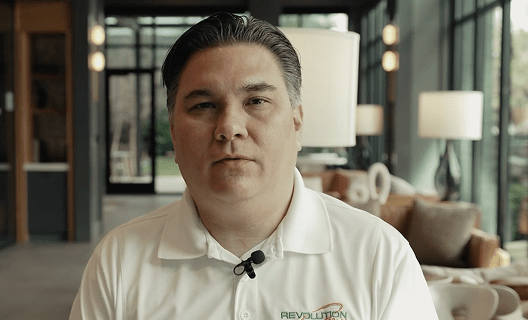
Revolution Solar is a solar panel company serving the Washington, D.C. area. The primary objective was to strengthen its online presence, increase local visibility, and generate more qualified leads from potential customers in the surrounding market.
Seals Electric LLC is an electrical company serving the local metropolitan area. The primary goal was to increase organic traffic, improve local online visibility, and generate more qualified leads from customers in the surrounding service area.
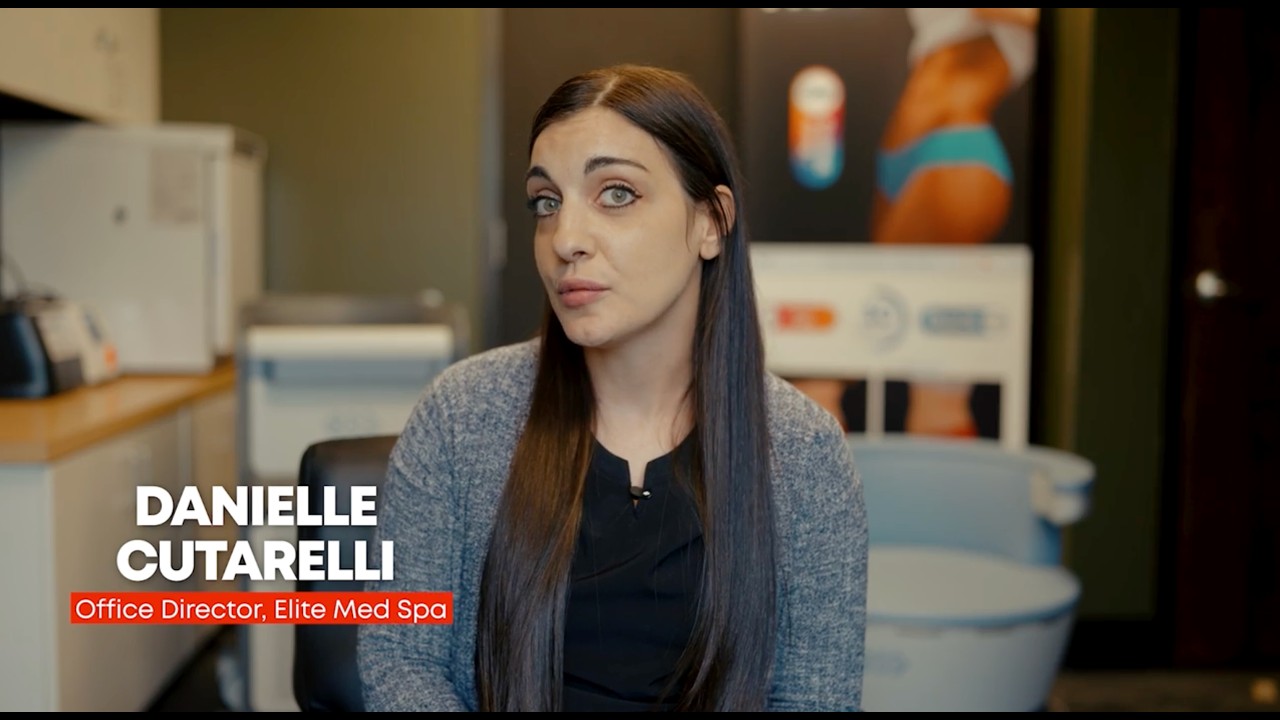
Elite Med Spa is a premier medical spa serving the Marion area. The primary objective of this campaign was to increase the number of new patients walking through the doors by improving online visibility, attracting qualified local traffic, and converting more website visitors into booked appointments.

REAL RESULTS
TURNING CLICKS INTO CUSTOMERS
Our Google Ads campaigns are built to turn high-intent searches into qualified leads, customers, and measurable business growth.
Related Success Stories
Elite Med Spa
A high-end med spa in Marion, Ohio, focused on strengthening its organic visibility, growing its online presence, and connecting with more local clients actively searching for premium aesthetic and wellness services.
-
+160%
Organic Traffic
-
+31%
Paid Search Leads

Seals Electric LLC
Achieved consistent organic growth, stronger local search visibility, and increased customer engagement for a local electrical services company.
-
+700%
Organic Traffic
-
75%
Organic Search Leads

Revolution Solar
Achieved consistent organic traffic growth, increased qualified leads, and stronger customer engagement for a solar energy company.
-
+364%
Organic Traffic
-
+160%
Organic Search Leads

The Brow Effect
Boosting Local Visibility & Lead Generation Through a Targeted SEO + PPC Strategy
-
+127%
Organic Traffic
-
+86%
Paid Search Leads

Curvy Sense
Enhanced online traffic and sales with data-driven keyword optimization.
-
+112%
Organic Traffic
-
+38%
Paid Search Leads

IBOATS
Increased search presence and conversions for a marine retail brand.
-
+74%
Organic Traffic
-
+40%
Paid Search Leads

Healthy Hound Playground
Growing Local Visibility & Driving More Qualified Customers for Healthy Hound Playground
-
+82%
Organic Traffic
-
+47%
Paid Search Leads

WHAT'S INCLUDED IN OUR GOOGLE ADS MANAGEMENT SERVICES
Every Google Ads campaign starts with a strategy built around your business goals, target audience, budget, and conversion opportunities. From keyword research and campaign setup to ongoing optimization and reporting, each part of the account is managed with a focus on generating qualified traffic and improving return on ad spend.
Strategic Campaign Management Focused on Business Growth
Effective Google Ads management requires more than launching campaigns and adjusting bids. Your account needs a structured strategy that connects keywords, advertisements, landing pages, targeting, budgets, and conversion data.
Campaigns are managed around your specific objectives, whether you're looking to generate more qualified leads, increase sales, expand into new markets, promote specific services, or improve the efficiency of your existing advertising spend.
Our approach includes ongoing analysis and optimization so campaigns can adapt as search behavior, competition, conversion data, and business priorities change.
What's included:
-
- Account and campaign structure built around your business objectives
- Keyword targeting focused on relevant, high-intent searches
- Geographic and audience targeting based on your ideal customers
- Budget allocation across campaigns and priority services
- Search term analysis to identify valuable and irrelevant queries
- Bid and targeting adjustments based on performance data
- Ad testing and optimization
- Conversion tracking and performance analysis
- Ongoing campaign management and optimization
- Detailed
Find the Searches Most Likely to Become Customers
Keyword research establishes the foundation of a successful Google Ads campaign. Instead of targeting every possible variation related to your business, the goal is to identify searches that demonstrate meaningful intent and align with the products or services you actually want to sell.
Research can include commercial, transactional, location-based, service-specific, and long-tail searches. Search terms are evaluated based on relevance, intent, competition, estimated costs, and their potential relationship to your conversion goals.
Negative keyword research is also an important part of the process. Identifying irrelevant searches can help prevent advertising spend from being directed toward users who are unlikely to become customers.
Keyword research may include:
-
- High-intent commercial keywords
- Service and product-specific searches
- Location-based searches
- Long-tail search terms
- Competitor and market research
- Search term analysis
- Negative keyword development
- Keyword grouping by intent and service
Build a Structured Google Ads Account From the Ground Up
A properly structured account gives you greater control over targeting, budgets, messaging, and performance. Campaigns and ad groups are organized according to your services, products, locations, audiences, and business priorities rather than placing everything into one broad campaign.
Each campaign can be structured to make performance easier to analyze and optimization easier to execute. This also allows budgets to be allocated toward the areas that matter most to your business.
Campaign setup can include search campaigns, location targeting, device targeting, audience settings, bidding strategies, ad groups, extensions, conversion goals, and other account configurations relevant to your advertising strategy.
Campaign setup includes:
-
- Google Ads campaign organization
- Ad group structure
- Location and geographic targeting
- Device targeting
- Audience settings
- Budget allocation
- Bidding strategy configuration
- Keyword organization
- Negative keyword implementation
- Ad extensions/assets
- Conversion action configuration
Connect the Ad Experience to the Conversion
A successful Google Ads campaign doesn't end when someone clicks the advertisement. The landing page needs to deliver an experience that matches the searcher's expectations and makes the next step obvious.
We evaluate the relationship between the keyword, ad messaging, and landing page to identify opportunities to improve relevance and conversion potential. This can include reviewing headlines, calls to action, forms, page structure, service information, trust signals, mobile usability, and the overall path toward conversion.
The goal is to reduce friction between the initial search and the action you want the visitor to take.
Landing page considerations include:
-
- Message alignment between keywords, ads, and pages
- Clear calls to action
- Lead forms and conversion opportunities
- Service-specific landing pages
- Mobile user experience
- Page structure and readability
- Trust and credibility elements
- Offer positioning
- Conversion-focused page improvements
Know Which Campaigns Are Producing Real Business Results
Clicks and traffic don't tell the entire story. Accurate conversion tracking helps determine what happens after someone interacts with your advertisement.
Tracking can be configured around the actions that matter to your business, such as phone calls, form submissions, purchases, bookings, quote requests, or other valuable interactions.
With reliable conversion data, campaign decisions can be based on actual customer actions rather than surface-level traffic metrics.
Conversion tracking can include:
-
- Form submission tracking
- Phone call tracking
- Purchase tracking
- Booking and appointment tracking
- Lead tracking
- Key website engagement actions
- Campaign-level conversion analysis
- Conversion rate monitoring
Understand Where Your Advertising Budget Is Going
Transparent reporting gives you a clear view of how your Google Ads campaigns are performing and where optimization opportunities exist.
Reports can go beyond simply showing clicks and impressions. Performance is evaluated across metrics such as advertising spend, cost per click, conversions, conversion rate, cost per conversion, search terms, campaign performance, and other relevant indicators.
This creates a clearer picture of which areas of the account are generating meaningful engagement and which areas may require changes.
Performance reporting can include:
-
- Campaign performance
- Advertising spend
- Clicks and impressions
- Click-through rate
- Cost per click
- Conversions
- Conversion rate
- Cost per conversion
- Search term performance
- Budget utilization
- Landing page performance
- Ongoing optimization recommendations
What Do You Want to Explore?
YOUR SEARCH FOR GOOGLE ADS MANAGEMENT EXPERTS ENDS HERE
1
Understand your business
We learn about your services, customers, competitors, goals, and target market to identify the searches and opportunities that matter most.
2
BUILD YOUR GOOGLE ADS STRATEGY
We develop your campaign structure, keyword targeting, ad messaging, budgets, and conversion strategy around your business objectives.
3
LAUNCH & OPTIMIZE
We manage your campaigns, monitor search terms and conversions, test ads, adjust targeting, and optimize spending to improve performance over time.
4
TRACK & REPORT
You receive clear reporting on clicks, conversions, costs, and campaign performance, giving you the insight needed to continually refine your Google Ads strategy.
HEAR WHAT THEY SAY ABOUT US
Frequently Asked Questions About Our Google Ads Management Services
What does a Google Ads management agency actually handle?
A professional agency can manage the full paid search process, including account structure, keyword research, ad creation, bidding, audience targeting, conversion tracking, budget allocation, and ongoing optimization. The goal is to keep campaigns aligned with your business objectives while improving traffic quality and conversion opportunities.
How much should I spend on Google Ads each month?
There is no universal budget that works for every business. Your ideal ad spend depends on factors such as industry competition, average cost per click, geographic targeting, customer value, and monthly lead or sales goals. A properly planned budget should provide enough traffic and data to make informed optimization decisions.
How quickly can paid search generate leads?
Paid search can begin generating traffic shortly after campaigns launch, but lead volume and quality depend on your market, offer, keywords, competition, and landing page experience. The first few weeks also provide valuable data that can be used to refine targeting, messaging, and spending.
What is the difference between clicks and conversions?
A click means someone visited your website from an advertisement. A conversion is a valuable action, such as submitting a form, calling your business, making a purchase, or booking an appointment. For most businesses, conversions provide a much better indication of campaign effectiveness than traffic alone.
How do you prevent advertising money from being wasted?
Campaigns can be refined by reviewing search terms, adding negative keywords, adjusting bids, improving targeting, testing advertisements, and reallocating budget toward stronger-performing areas. Regular monitoring helps identify irrelevant traffic and opportunities to improve efficiency.
What are negative keywords and why are they important?
Negative keywords prevent advertisements from appearing for searches that are irrelevant to your business. For example, a company selling premium services may want to exclude searches related to free, jobs, training, or other terms that are unlikely to produce customers.
Should my ads send visitors to my homepage or a landing page?
It depends on the campaign and search intent. Dedicated landing pages can often provide a more relevant experience because the content, offer, and call to action are closely connected to the advertisement. In some situations, however, an existing service or product page may be appropriate.
How do you improve the quality of leads from paid advertising?
Lead quality can be improved through more precise keyword targeting, location settings, audience refinement, negative keywords, stronger ad messaging, and better landing-page alignment. Conversion data can also help identify which searches and campaigns are producing valuable customers rather than simply generating inquiries.
What should I track besides clicks and impressions?
Important metrics can include conversions, conversion rate, cost per lead, cost per acquisition, click-through rate, cost per click, impression share, and return on ad spend when revenue tracking is available. The right metrics depend on whether your primary objective is lead generation, ecommerce sales, bookings, or another business outcome.
Can you take over an existing advertising account?
Yes. An existing account can be reviewed to identify structural problems, inefficient spending, tracking issues, irrelevant search terms, weak-performing advertisements, and missed opportunities. From there, campaigns can be reorganized and optimized based on the available performance data.
How often should PPC campaigns be optimized?
Optimization should be ongoing rather than treated as a one-time task. Search behavior, competition, costs, conversion rates, and available data can change over time. Regular reviews allow campaigns to adapt while avoiding unnecessary changes based on limited data.
Do landing pages affect paid search performance?
Yes. The experience visitors receive after clicking an advertisement can influence both conversion performance and the overall efficiency of a campaign. Relevant messaging, clear calls to action, fast loading, mobile usability, trust signals, and a simple conversion path can all contribute to a stronger user experience.
Can you track phone calls and form submissions?
Yes. Conversion tracking can be configured around actions that matter to your business, including phone calls, contact forms, purchases, quote requests, bookings, and other valuable interactions. This helps connect advertising activity with actual business outcomes.
What makes a successful PPC campaign?
A strong campaign typically combines relevant search intent, well-structured targeting, compelling messaging, appropriate bidding, accurate measurement, and a landing page that supports the desired action. Success ultimately depends on how effectively those elements work together to generate profitable business results.
READ MORE Relevant INSIGHTS
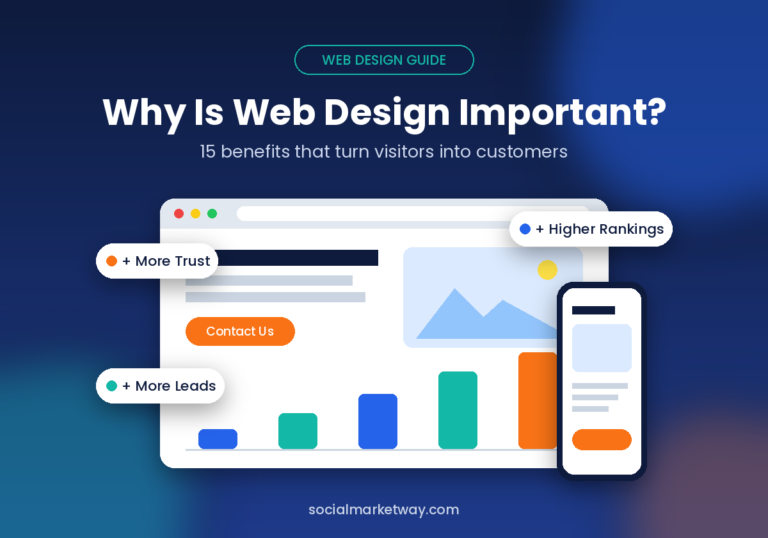
Why Is Web Design Important? 15 Benefits of Professional Website Design Services
Choose a plan aligned with your growth goals
Features
Investment
Ad Spend Limit
Initial Optimization
Progressive monthly management cost:
Management Deliverables
750+ SMEs behind campaign driving results
Initial campaign development & strategy
Advanced keyword research and selection
Performance Reporting
Monthly performance & analysis reporting
Omni-channel customer journey tracking and reporting
Ad CLID Pool for campaign call tracking
Lite
$100 – $5,000/month ad spend (paid to networks)
$1,200 (First Month’s Management including Campaign Audit)
$650
2,000 Keywords
2,000 Keywords
Pro
Most Popular
$5,000 – $30,000/month ad spend (paid to networks)
$2,250 (First Month’s Management, including Campaign
$975 or 15% of spend, whichever is higher
2,000 Keywords
Shared pool (Up to 25 concurrent Paid Advertising visitors)
Enterprise
$30,001+/monthly ad spend (paid to networks)
$5,800 (First Month’s Management, including Campaign Audit
$30,001+/monthly ad spend (paid to networks)
10,000 Keywords
Shared pool (Up to 50 concurrent Paid Advertising visitors)
READY TO DRIVE REAL REVENUE WITH GOOGLE ADS?