SEO Campaign Management: The Complete Guide to Planning, Running & Scaling an SEO Campaign That Actually Drives Revenue
by Social Market Way Content Team
Yassin Aberra
Yassin is an…
Most businesses don’t have an SEO problem. They have a planning problem.
The pattern is familiar. A few blog posts go up, someone fixes the title tags, a handful of links get bought, and then everyone waits. Six months later traffic is flat, leads haven’t moved, and the verdict is that “SEO doesn’t work in our industry.”
It does work. What’s usually missing is SEO campaign management: a clear goal, an honest baseline, a prioritised roadmap, people accountable for doing the work, and reporting that shows what’s working while there’s still budget to change course.
This guide sets out the framework we use at Social Market Way to plan and run campaigns for local service businesses, national e-commerce brands and companies entering new countries. It’s the same process behind every engagement of our SEO services. By the end you’ll know how to build an SEO campaign plan, what happens in each phase, how long results take and what it costs to do it properly.
In this guide
What an SEO campaign is, and why it beats “doing some SEO”
The five phases: audit, strategy, roadmap, execution and measurement
A sample 90-day SEO campaign plan
Realistic timelines and budgets, plus the mistakes that sink most campaigns
What is an SEO campaign?
An SEO campaign is a time-bound, goal-driven programme of search engine optimisation work built to move one business number: leads, sales, booked calls or revenue. It does that by making the right pages visible to the right searchers.
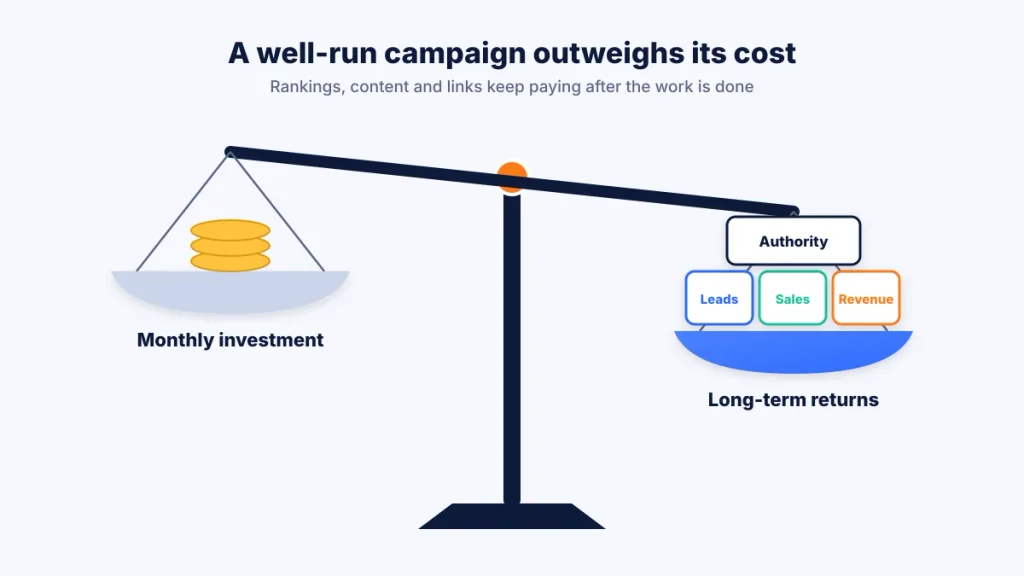
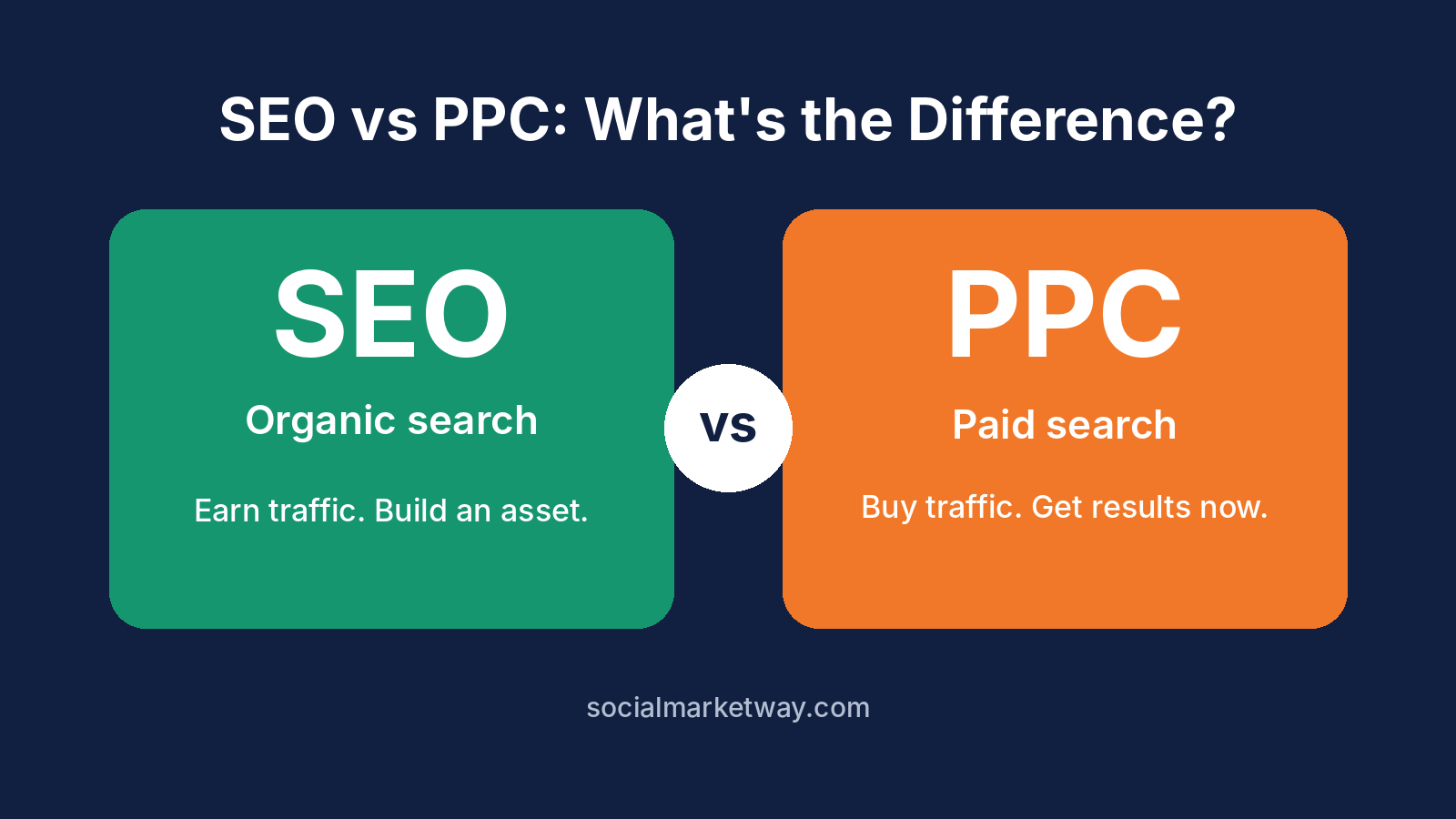
The key word is campaign. Like a paid ads campaign, it has an objective, a target audience, a budget, a start date, milestones and a way to measure return. The difference is that the asset you build (rankings, content, authority) keeps working after the campaign ends instead of switching off when the spend stops.
SEO campaign management is the discipline that holds it together. It means choosing priorities, sequencing the work, coordinating writers, developers and outreach, and adjusting based on data. Plenty of firms can do SEO tasks. Far fewer can run a campaign.
Ad-hoc SEO vs. a managed SEO campaign
Ad-hoc SEO
Managed SEO campaign
Goal
“Rank higher”
A revenue or lead target with a date
Priorities
Whatever seems urgent
Ranked by impact against effort
Keyword focus
Broad, high-volume vanity terms
Clusters mapped to buyer intent
Content
Random blog posts
Pages built to win specific searches
Links
Bought in bulk
Earned from relevant, trusted sites
Reporting
Rankings screenshots
Leads, revenue and leading indicators
Accountability
Unclear
Named owner for every workstream
Examples of SEO marketing campaigns
Campaigns come in many shapes. A few we run regularly:
Local market takeover: owning the map pack and “near me” searches for a service in three to five cities.
Category campaign: moving an e-commerce brand’s most profitable product category from page two to the top three.
Content authority campaign: building a topic cluster that answers every question buyers ask before they’re ready to talk to sales.
Website migration campaign: protecting, then growing, rankings through a redesign or platform change.
Market expansion campaign: launching visibility in a new country or language.
Each one uses the same five-phase framework. What changes is the emphasis.
[embed: node/431082c9-c3b7]
Phases 1 to 3 happen once at the start. Phases 4 and 5 repeat every month, and each review feeds new priorities back into the strategy.
Phase 1: Audit and baseline (know where you stand)
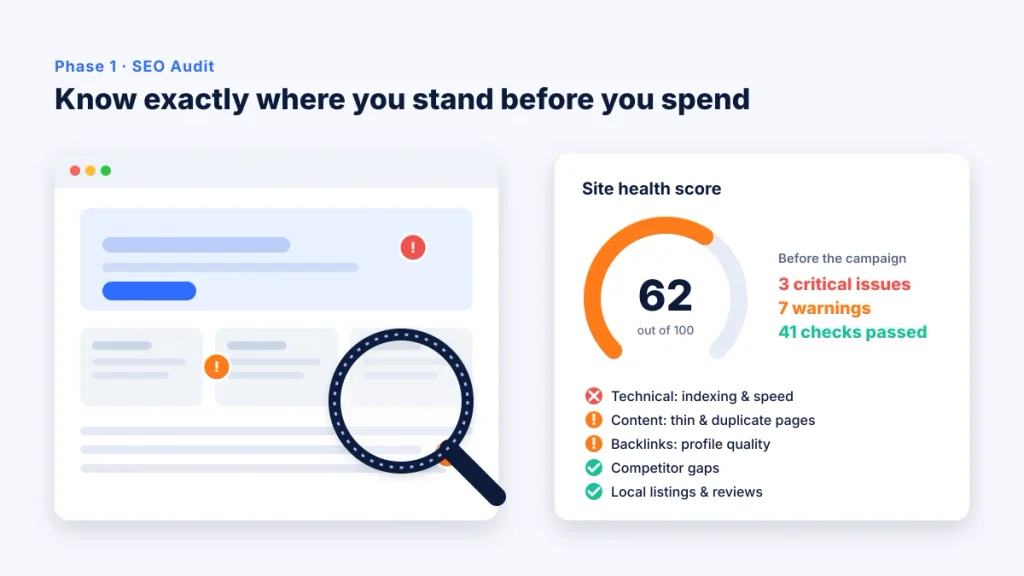
You can’t plan a route without knowing your starting point. Before any keyword research or content work, a well-run campaign spends its first two to three weeks finding out what is helping the site, what is holding it back and what competitors are doing better.
The five audits every campaign needs
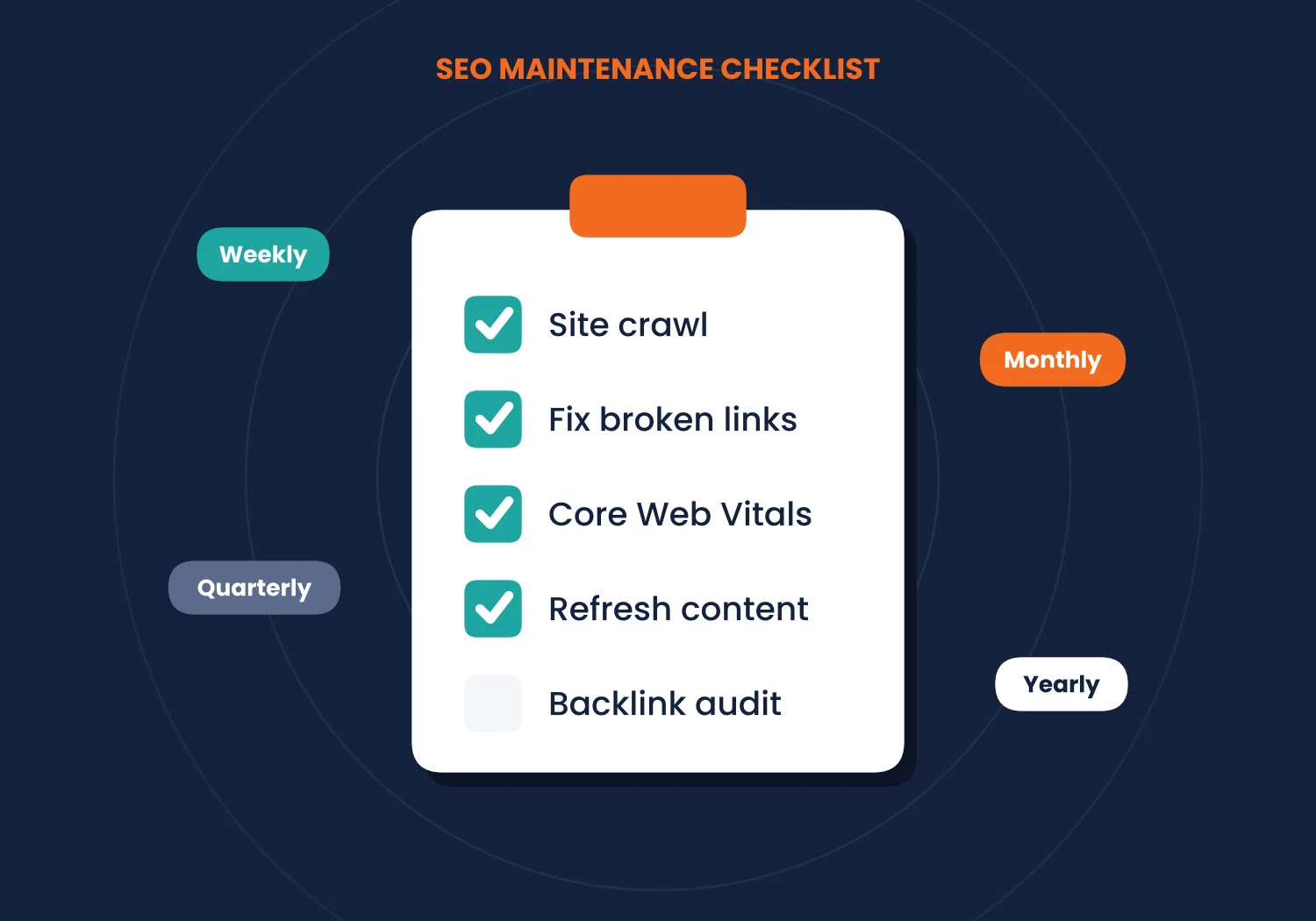
Technical audit. Crawl the whole site with a tool such as Screaming Frog or Sitebulb. Look for indexing problems, broken links, redirect chains, duplicate pages, slow Core Web Vitals, missing structured data and mobile issues. One misconfigured noindex tag or canonical can quietly cancel months of content work.
Content audit. List every indexable page with its traffic, rankings and conversions. Sort each into keep, improve, merge or remove. Most sites we audit have thin or overlapping pages that compete with each other for the same searches.
Backlink audit. Review who links to you, how relevant and trustworthy those sites are, and whether any toxic patterns need cleaning up. Compare your link profile with the three sites currently ranking where you want to be.
Competitor gap analysis. Find the keywords, pages and link sources that competitors have and you don’t. This is often the fastest route to quick wins.
Local and entity audit. For businesses with a physical presence, check the Google Business Profile, review volume and citation consistency (name, address and phone number) across directories.
Set up measurement before you change anything
This is the step most campaigns skip, and it’s why so many can’t prove ROI later. Before the first fix goes live, confirm that:
Google Analytics 4 is tracking the conversions that matter: form fills, calls, purchases, bookings.
Google Search Console is verified, with a sitemap submitted.
Call tracking is in place if the phone is a major lead source.
A baseline snapshot is saved: organic sessions, conversions, ranking keywords, top pages and referring domains.
That snapshot is the “before” photo. Without it, every later conversation about results turns into opinion.
Phase 2: Goals, KPIs and keyword strategy
Good SEO planning starts with the business outcome and works backwards to the keywords. Bad SEO planning starts with a keyword tool and hopes revenue follows.
Set goals your CFO would sign off on
“Get more traffic” isn’t a goal. “Grow organic leads for commercial roofing from 15 to 40 a month within nine months” is. Every campaign goal should name the metric, the starting number, the target and the deadline.
We then track three layers of KPIs, because revenue is a lagging signal and you need earlier ones to steer by:
Layer
What it tells you
Example KPIs
Business outcomes
Is SEO paying for itself?
Organic leads, sales, revenue, cost per acquisition
Leading indicators
Is visibility growing?
Rankings for target clusters, impressions, organic clicks, share of voice
Activity
Is the plan being executed?
Pages published, fixes shipped, links earned
Build keyword clusters around intent, not volume
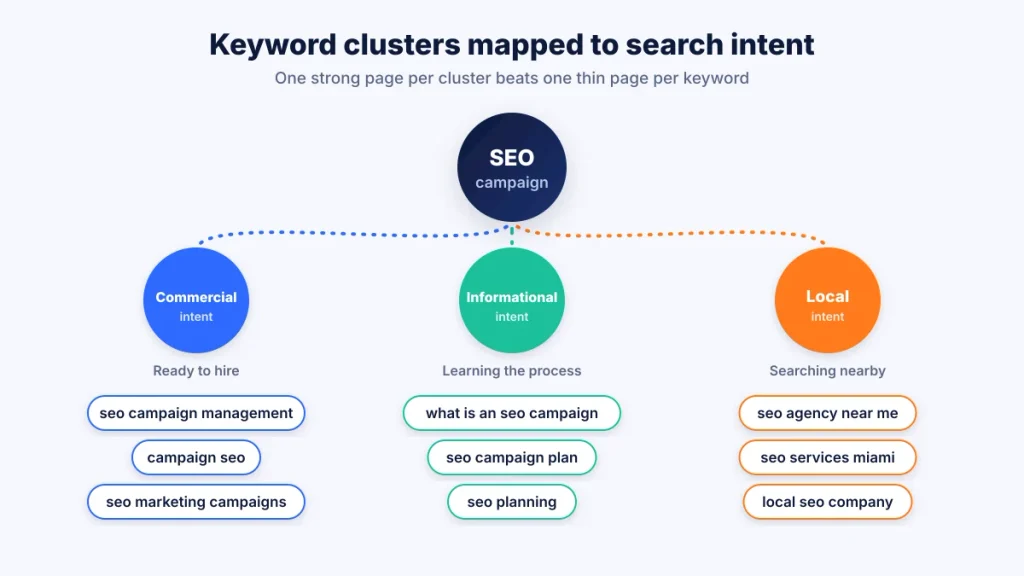
Modern search engines understand topics, not just strings of words. Instead of one page per keyword, a campaign groups related searches into clusters and gives each cluster one strong page.
Here’s a real example from the topic of this article. These searches look different, but they fall into two intents:
Search
Intent
Best page type
seo campaign management, campaign seo
Commercial: ready to hire help
Service page or in-depth guide with a clear offer
what is an seo campaign, seo campaign plan
Informational: learning the process
Educational guide (like this one)
search engine optimisation campaign
Mixed: researching providers
Guide that links to service pages
Two questions decide each target: does the searcher’s intent match what we sell, and can we realistically compete within the campaign window? A low-volume, high-intent phrase that converts will beat a vanity keyword with ten times the searches almost every time.
Match the campaign to your geographic scope
Where your customers are shapes everything from keyword choice to link building. A plumber in one metro area needs map-pack visibility and local citations. That’s a very different campaign from a brand selling nationwide.
If you sell across the whole country, the competition is broader and authority matters more. Our national SEO services are built for that challenge: scalable content, category-level pages and links from industry publications that move rankings in every state, not just one city.
Taking a brand into new countries or languages adds hreflang tags, localised (not just translated) content and region-specific link building. That’s where international SEO planning earns its keep, because a mistake in site structure here can split your authority across markets instead of building it.
Phase 3: Build the SEO campaign plan and roadmap
After the audit and keyword research you’ll have a long list of opportunities, often more than 100. A roadmap’s job is to decide what happens first. We score every task on two things, expected impact and effort, then sequence them so early wins pay for the slower, compounding work.
A simple rule of thumb:
High impact, low effort (fix indexing errors, rewrite under-performing titles, refresh pages ranking 8–15): do these first.
High impact, high effort (new service pages, topic clusters, digital PR): plan and resource them as the core of the campaign.
Low impact, low effort: batch them into spare capacity.
Low impact, high effort: cut them, however interesting they look.
A sample 90-day SEO campaign plan
Every business is different, but most of our campaigns follow this rhythm in the first quarter:
Clean up the Google Business Profile and core citations
Days 31–60: Build
Publish or rebuild priority service and category pages
Launch the first topic cluster: one pillar page plus supporting articles
Strengthen internal linking towards money pages
Begin outreach and digital PR for high-quality links
Days 61–90: Accelerate
Expand content into the next cluster
Scale link acquisition based on what’s working
Run conversion tests on top organic landing pages
Hold the first quarterly review: re-prioritise using real data
The plan isn’t set in stone. A good campaign manager treats the roadmap as a living document and updates it every month as rankings, competitors and algorithms move.
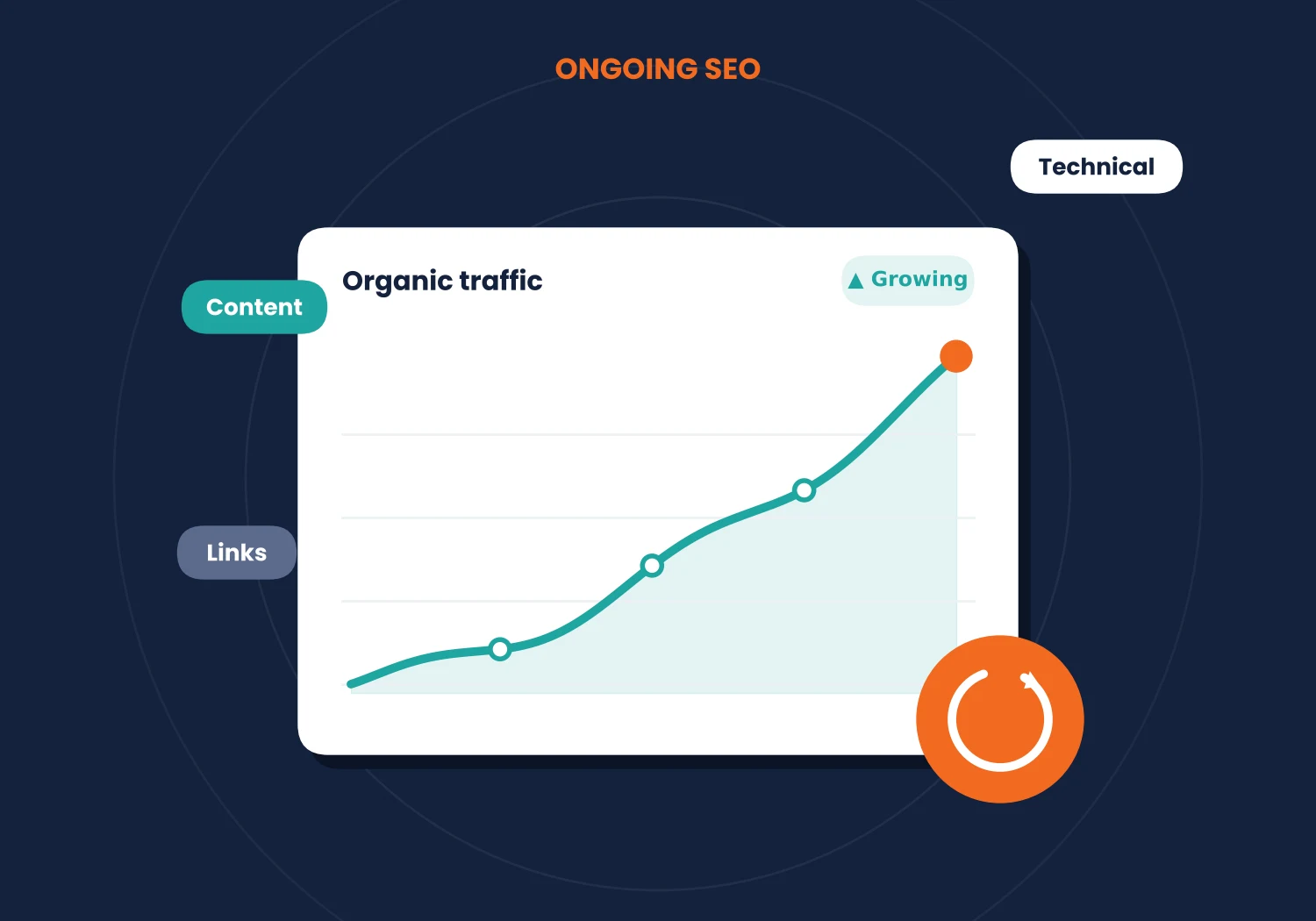
Phase 4: Execution across the four pillars of campaign SEO
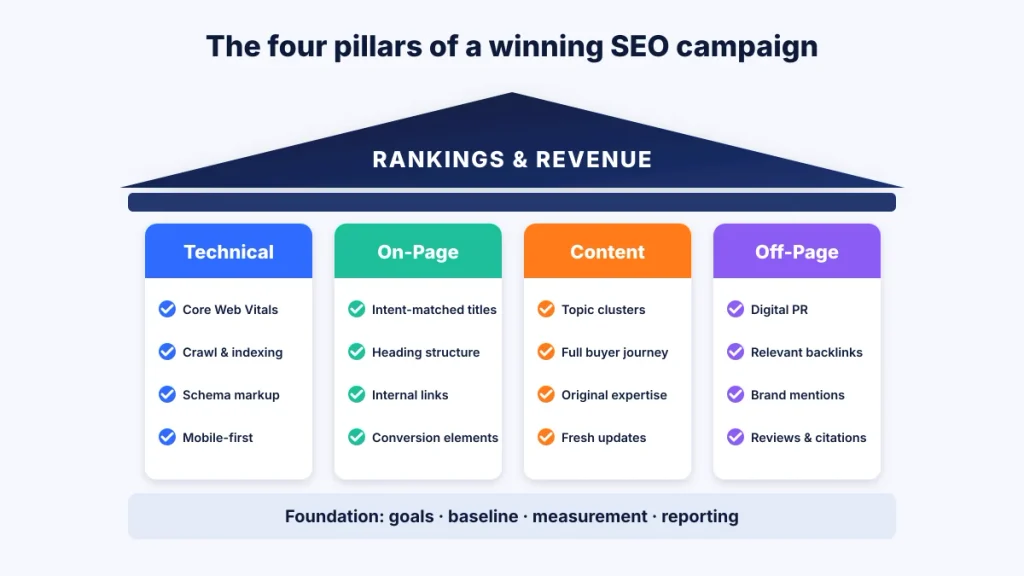
This is where most of the budget goes, and where campaign management matters most. Execution runs on four parallel tracks. Neglect one and the others underperform.
1. Technical SEO: make the site easy to crawl and fast to use
Search engines can’t rank what they can’t crawl, and visitors won’t convert on a page that takes six seconds to load. Technical work in a campaign usually covers:
Core Web Vitals: image compression, WebP, lazy loading, script clean-up
A clean site architecture where every important page is within three clicks of the homepage
XML sitemaps, robots.txt and canonical tags that agree with each other
Schema markup (Organization, LocalBusiness, Service, Product, FAQ) so search engines and AI assistants understand your business
Mobile usability, since Google indexes the mobile version of your site first
2. On-page SEO: turn pages into ranking assets
On-page work is where keyword strategy meets the page. Each priority URL gets an intent-matched title tag, a compelling meta description, a logical heading structure, internal links with descriptive anchor text and content that answers the searcher’s question better than anything else on page one.
This is often the quickest lever in a campaign. Pages already ranking in positions 8–20 frequently jump onto page one after focused optimisation. Our on-page SEO services cover the full checklist: content, metadata, internal linking, schema and conversion elements such as calls to action and trust signals.
3. Content: answer every question your buyers ask
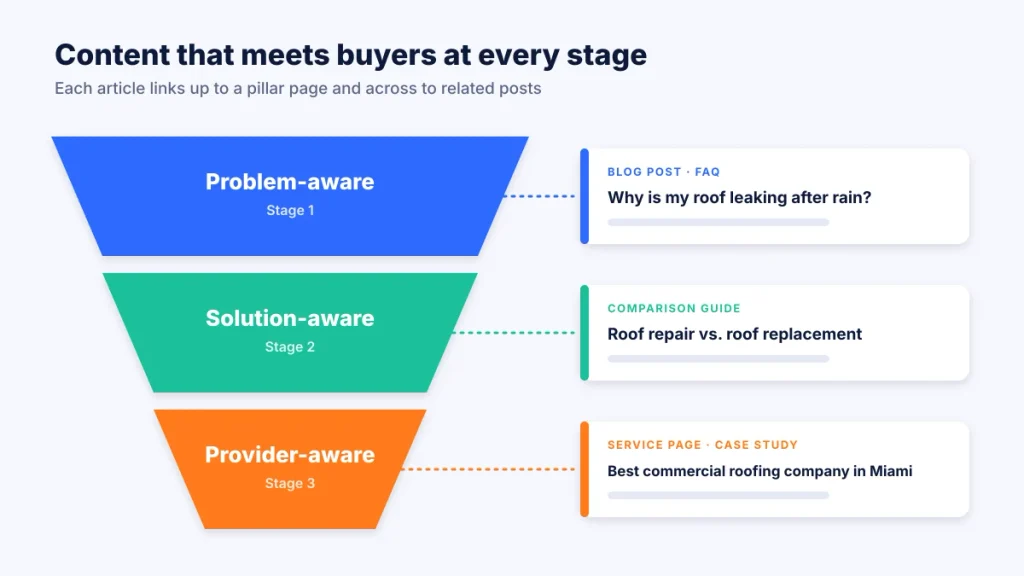
Content is how a campaign widens its footprint. The aim isn’t volume; it’s coverage. For each cluster, map the full buyer journey:
Problem-aware: “why is my roof leaking after rain”
Solution-aware: “roof repair vs. roof replacement”
Provider-aware: “best commercial roofing company in Miami”
Each piece links up to the pillar page and across to related articles. That builds the topical authority that helps an entire cluster rank, not just one page. Strong content also shows real experience: original photos, case data, expert quotes and specific numbers. Generic AI-generated filler doesn’t.
4. Off-page SEO: earn trust and authority
Links from relevant, reputable websites are still one of the strongest ranking signals. The difference today is quality. One link from a respected industry publication can outweigh hundreds from low-quality directories, and spammy link schemes can trigger penalties that take months to undo.
Tactics that work in a modern campaign:
Digital PR built on original data, surveys or expert commentary
Guest contributions to genuinely relevant industry sites
Unlinked brand mentions turned into links
Partner, supplier and association links
Local sponsorships and community features for local campaigns
A steady stream of genuine customer reviews
We vet every prospect for topical relevance, real traffic and editorial standards before outreach begins. That’s the standard behind our off-page SEO and link building work, and it’s why our clients’ link profiles grow safely instead of becoming liabilities.
Phase 5: Measure, report and optimise
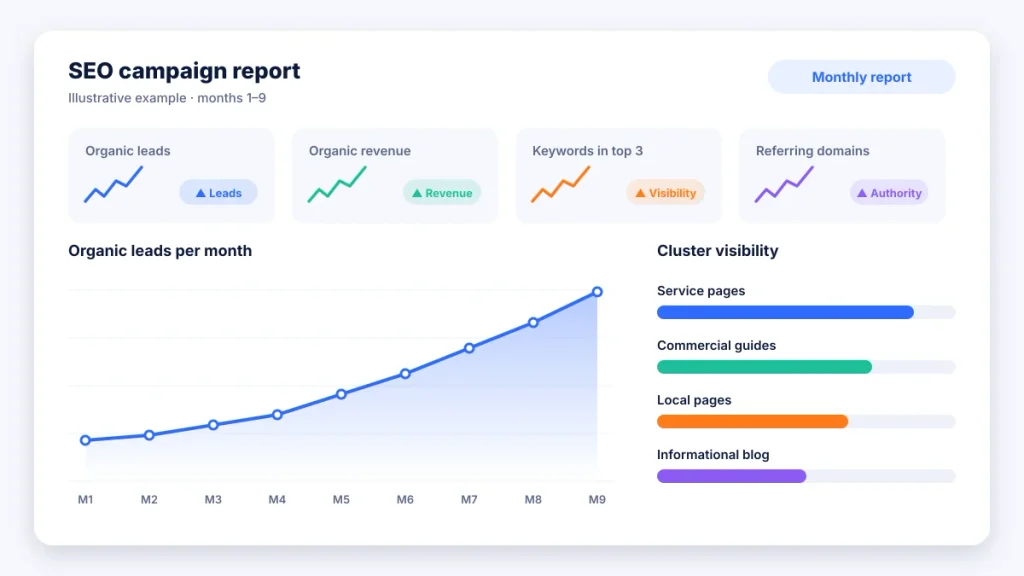
A campaign without reporting is a guess. A campaign with the wrong reporting is worse, because it creates false confidence. Ranking screenshots and “traffic is up 40%” mean little if leads haven’t moved.
Ask for reporting that connects activity to outcomes: we published these pages, they now rank here, they drove this many leads. If you’re unsure whether your current provider measures up, our guide on how to tell if your SEO company is working lists the warning signs and the questions to ask.
Plan for AI search, not just blue links
Search has changed. Google’s AI Overviews, ChatGPT, Perplexity and Gemini now answer many questions directly, often citing a handful of sources. A 2026 campaign has to earn those citations as well as traditional rankings. In practice that means:
Clear, direct answers near the top of key pages (as in the definition at the start of this guide)
Structured data that spells out who you are, what you offer and where
Consistent brand and business information across the web, so AI systems trust the facts
Original data, expert authorship and real-world proof that make your content worth citing
Tracking branded searches and AI referrals, not only clicks from organic results
The fundamentals haven’t changed: helpful, credible, well-structured content from a trusted brand. The bar for doing them well is simply higher.
How long does an SEO campaign take to work?
Anyone promising page-one rankings in 30 days is selling something you don’t want. Realistic timelines depend on competition, your site’s history and how much you invest, but most well-managed campaigns follow a similar curve:
Timeframe
What you should see
Months 1–2
Technical fixes live, baseline set, early ranking movement on optimised pages
Months 3–4
More impressions, new keywords entering the top 20, first lead increases from quick wins
Months 6–9
Clusters reaching page one, organic leads growing steadily, positive ROI for many businesses
Months 12+
Compounding returns: authority, content and links working together in a defensible position
Local campaigns in less competitive markets often move faster. National and international campaigns in crowded industries take longer, but the payoff is larger.
What does an SEO campaign cost?
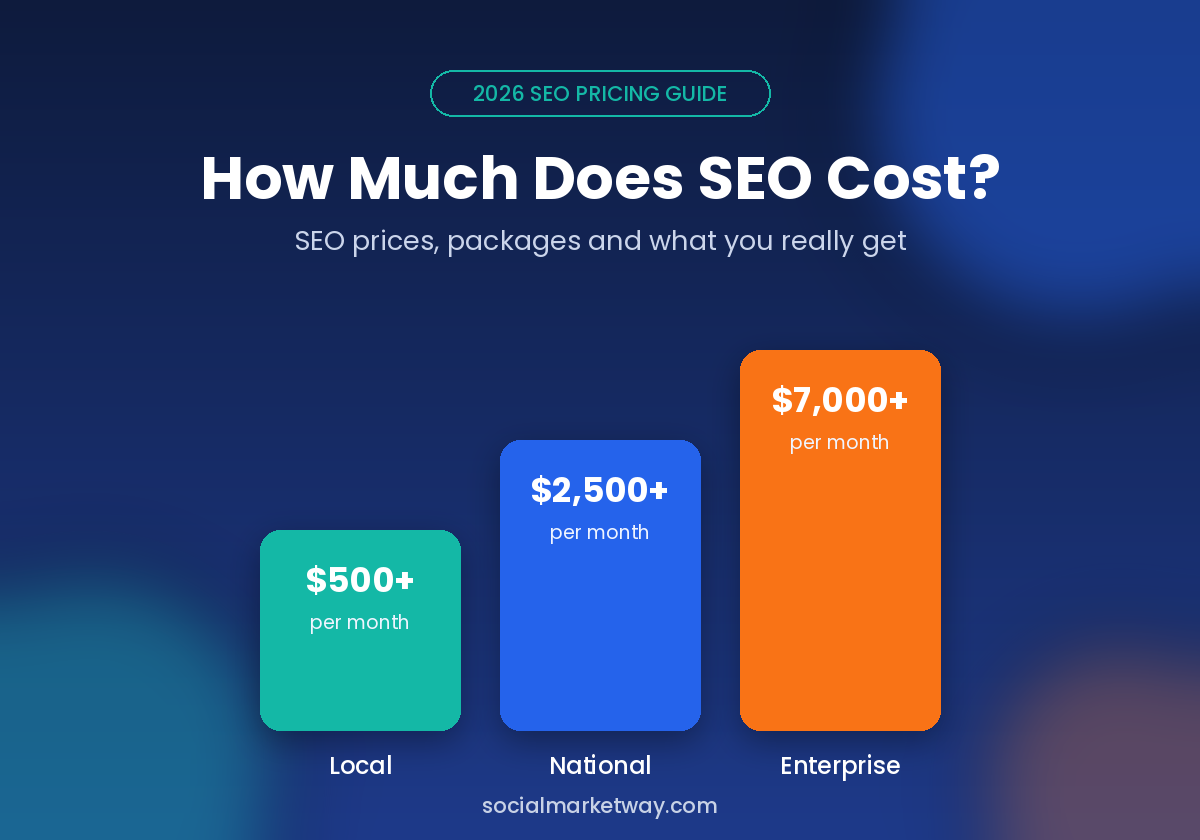
Budget depends on scope: how many locations or markets you target, how competitive your keywords are, how much content you need and how ambitious your link-building is. A single-city service business and a national e-commerce brand need very different levels of investment.
The most important principle: underfunding a campaign is more expensive than not running one. A budget too small to out-execute competitors buys activity, not results. For a full breakdown of pricing models, typical ranges and what’s included at each level, read how much SEO costs.
When comparing providers, look at what each tier actually delivers each month (pages optimised, content published, links earned, reporting depth) rather than the price alone. Our SEO packages set out those deliverables clearly, so you know exactly what your campaign includes before you commit.
Seven mistakes that sink SEO campaigns
No baseline. Without “before” numbers you can’t prove what worked.
Chasing volume over intent. High-traffic keywords that never convert burn budget.
Publishing without a plan. Fifty unconnected blog posts build less authority than ten well-linked ones.
Ignoring technical debt. Great content on a slow, poorly indexed site underperforms.
Cheap links. Shortcuts in link building create penalties that cost more to fix than to avoid.
Stopping too early. Many campaigns are cancelled in month four, just before the compounding starts.
Nobody owns it. SEO spread across five busy people with no campaign manager stalls quickly.
In-house, freelancer or agency?
An in-house team gives you deep brand knowledge, but one person rarely covers technical SEO, content, development and outreach at a high level. Freelancers can be cost-effective for one-off tasks but struggle to coordinate a full campaign. An agency brings a team of specialists, proven processes, enterprise tools and, most importantly, someone accountable for the whole result.
Many growing businesses land on a hybrid: an agency runs strategy, technical work and link building, while internal staff supply product knowledge and approve content.
Frequently asked questions
What is an SEO campaign in simple terms?
It’s a planned, time-bound project to improve how your website ranks on search engines for the searches your customers use, with the goal of growing leads or sales. Think of it as a marketing campaign that builds a long-term asset instead of renting attention.
What’s the difference between SEO planning and SEO campaign management?
SEO planning is the strategy: goals, keywords, priorities and the roadmap. SEO campaign management is running that plan week to week: coordinating the work, tracking results and adjusting course. You need both. A brilliant plan with poor management goes nowhere.
What should an SEO campaign plan include?
At minimum: a baseline audit, measurable goals, keyword clusters mapped to intent, a prioritised task roadmap, owners for each workstream, a content calendar, a link-building approach and a reporting schedule.
Is a search engine optimisation campaign worth it for a small business?
Usually, yes, especially for local service businesses. Organic search delivers customers who are actively looking for what you sell, and unlike paid ads the visibility doesn’t disappear when you stop paying. The key is choosing a scope that fits your budget and market.
How do I know if my SEO campaign is working?
Watch leading indicators (impressions, rankings for target clusters, organic clicks) in the first few months, then business outcomes (leads, sales, revenue) from roughly month four onwards. If neither is moving after six months of consistent work, the strategy needs a hard review.
Ready to run an SEO campaign that pays for itself?
SEO rewards the businesses that treat it as a campaign: planned around revenue, executed with discipline and measured honestly. That’s exactly what we do at Social Market Way.
When you work with us, you get:
A full audit and baseline before any money is spent on content or links
A custom 90-day roadmap tied to your lead and revenue goals
A dedicated campaign manager coordinating technical, content and outreach specialists
Transparent monthly reporting that connects every task to results
No shortcuts: white-hat tactics that build lasting authority
If you’re tired of SEO that looks busy but doesn’t grow the business, let’s talk. Book a free SEO campaign strategy call and we’ll show you where your biggest opportunities are, what your competitors are doing better and what a realistic plan looks like for your market.
SHARE THIS BLOG
Grow Smarter With Expert Insights
Get free, actionable marketing tips in your inbox.